You Won't Believe It's Wax Paper - Soft Faux Rice and Tissue Papers
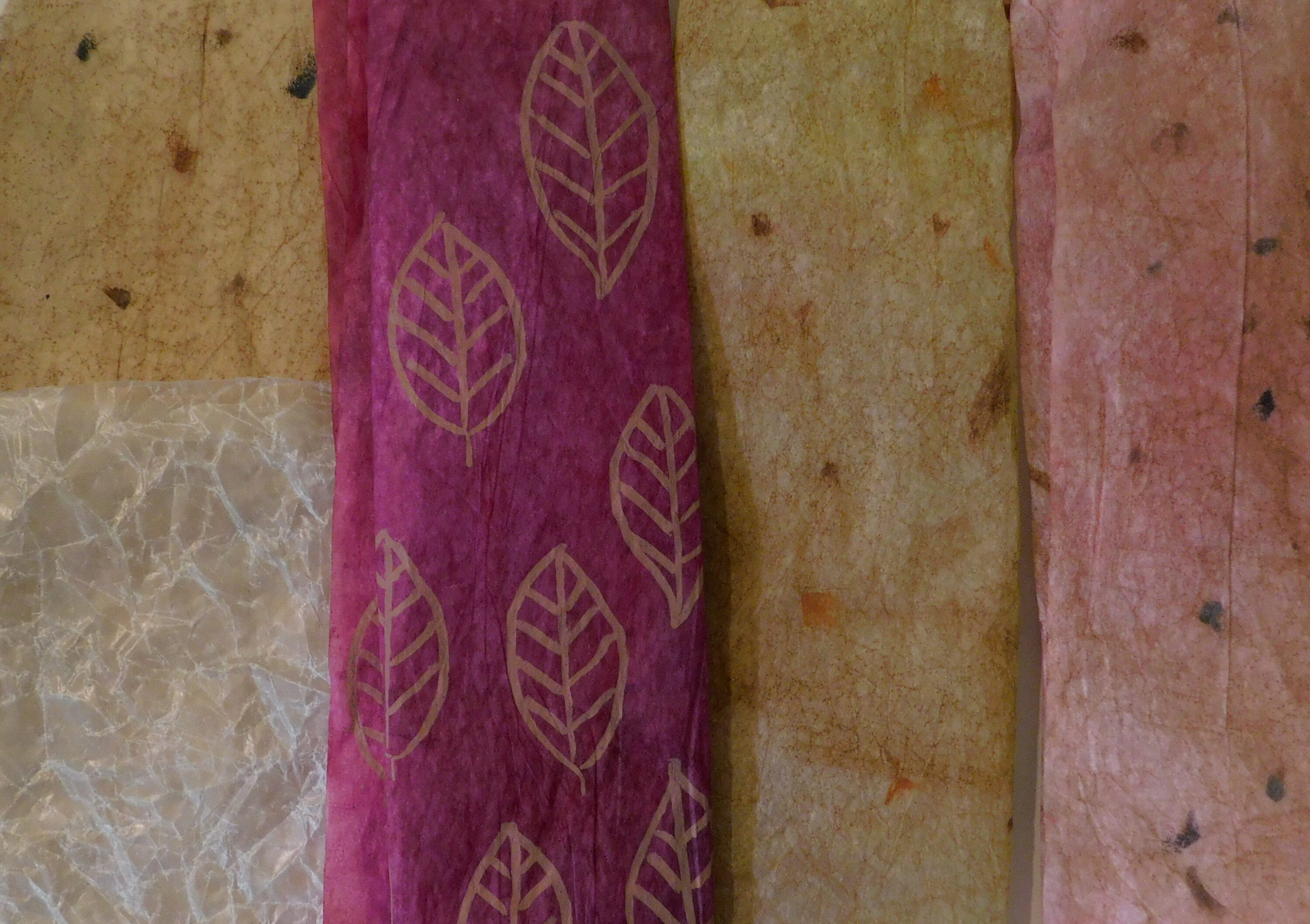
Momigami is a Japanese technique that means “kneaded paper.” By crumpling and kneading paper, you can transform it into a soft, flexible material with a fabric-like texture. This project combines Momigami and Kozo (mulberry paper) inspiration to create a translucent, faux rice paper using ordinary wax paper.
Unlike traditional Momigami, this technique doesn’t require starch. The secret is kneading the wax paper to create natural creases and folds that resemble rice paper fibers.
Supplies:
- Wax paper
- Watercolors
- A few drops of dish soap
- Large, soft wash brush
- Oil pastel crayons for added texture
Making Your Paper
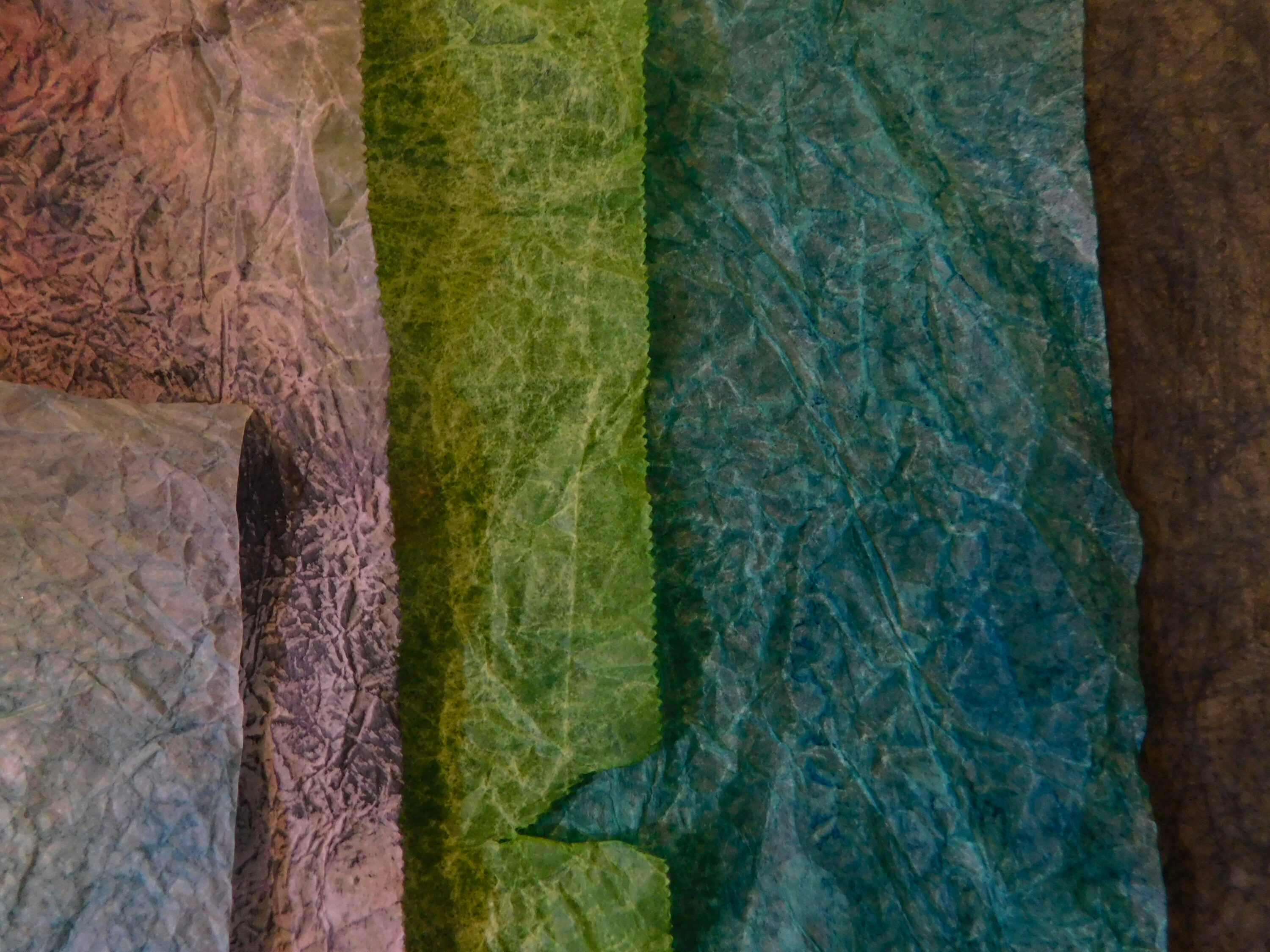
Cut your wax paper to size and begin crumpling and kneading it between your hands. Unfold, smooth, and repeat until the paper becomes softer and develops plenty of tiny creases. If small holes begin forming, stop to avoid damaging the paper.
To add color, spread a few drops of dish soap over the surface with a wet brush. This helps watercolor spread across the waxy surface instead of beading. Apply a watercolor wash, let dry completely, then repeat on the opposite side. The watercolor creates a softer, matte appearance.
Once dry, crumple the paper lightly again to emphasize the texture. Use a dry brush, darker or lighter watercolor, metallic paint to highlight the raised creases and use oil pastels to create a natural bark appearance.
Add Decorative Designs
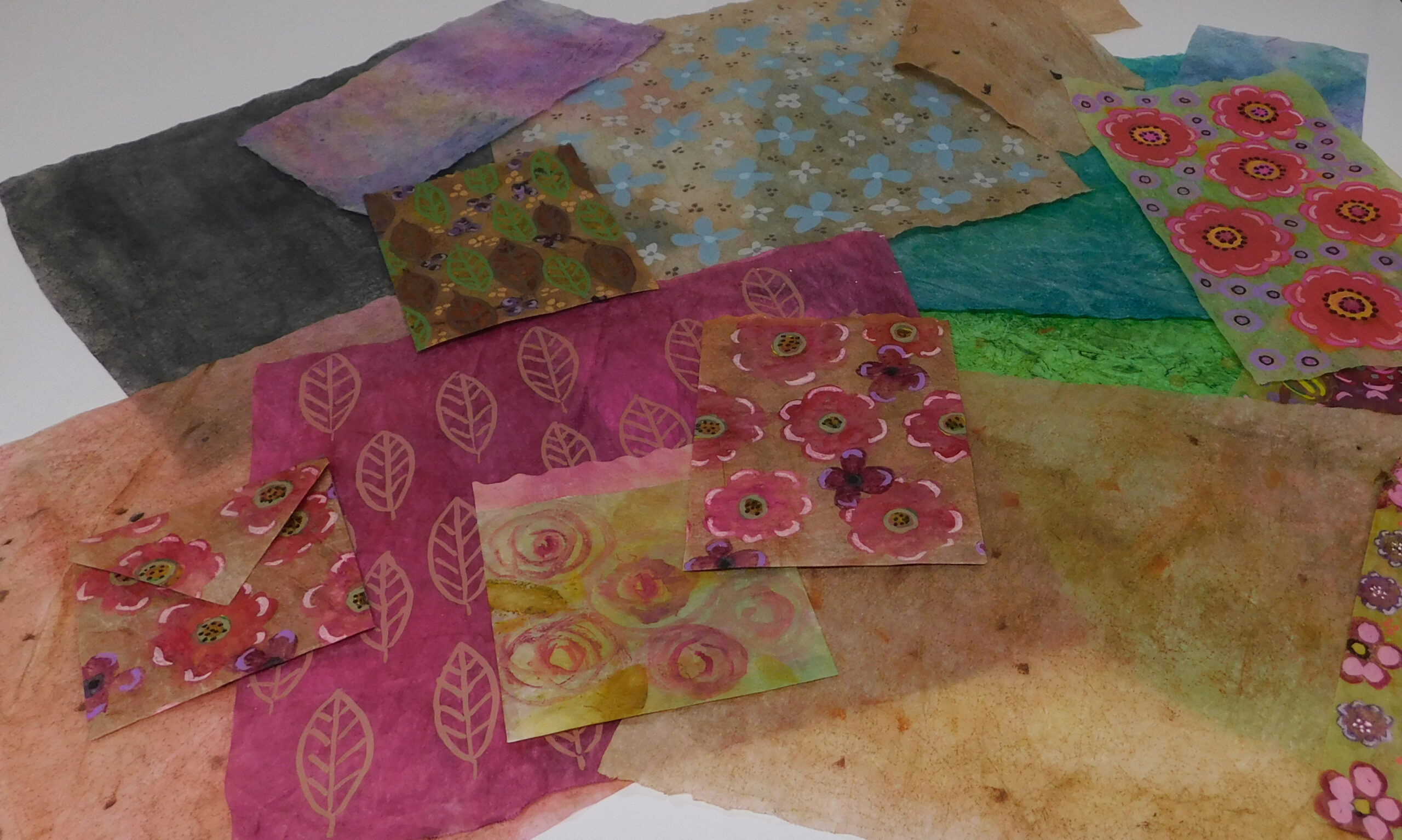
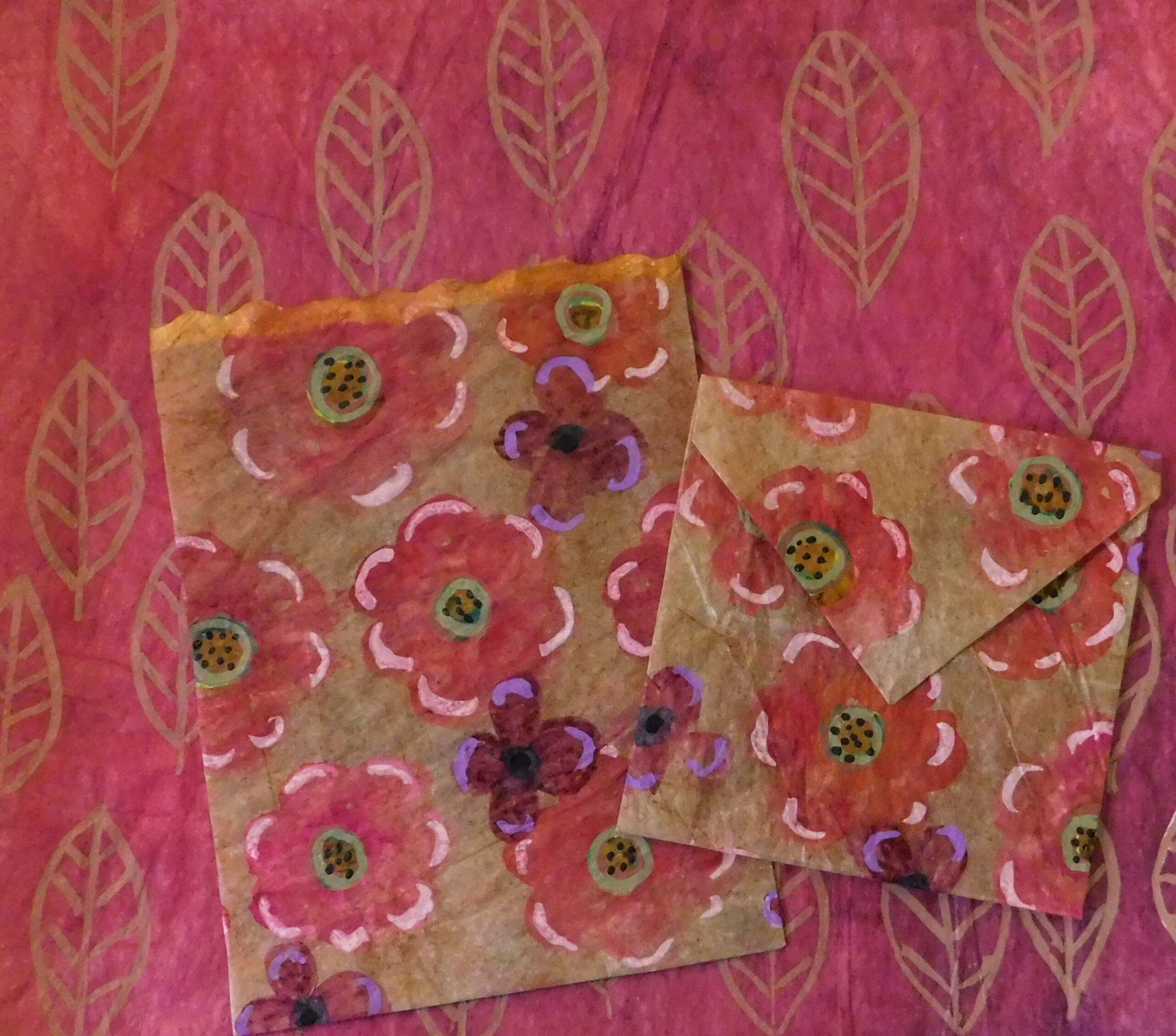
You can also create decorative tissue paper with painted designs, stencils, and patterns. Apply a watercolor wash to one side, then decorate the other with acrylic markers or waterproof mediums. The finished paper remains translucent, making it wonderful for layering.
Tips for Collage
Watercolor can reactivate when exposed to water or wet glue, so if you plan to use both sides of your paper in collage, choose waterproof coloring materials.
Try:
- StazOn ink
- Alcohol markers
- Acrylic markers
- Waterproof drawing pens
- Derwent Inktense blocks
- Oil pastel crayons
Test your materials first.
Experiment With Natural Dyes
Coffee and tea can also be used experimentally. Rather than soaking the wax paper, try spraying the dye with a mister after applying the dish soap. Results may vary, so test a small piece first.
Your finished faux rice paper can be used for art journals, collage, envelopes, gift wrapping, bookbinding, paper bags, and decorative projects.
Experiment with colors, textures, and different mediums to create your own collection of unique handmade papers!
Happy paper crafting!